The human brain across space and time

Multiscale Neurodevelopment Lab

We study how cytoarchitecture, connectivity and functional dynamics mature across early life, working at the interface of microscopy, neuroimaging and computational modelling.

Based at INM-7, Forschungszentrum Jülich, and funded by the Deutsche Forschungsgemeinschaft and ERC.

Research

Building multiscale models of the developing human brain.

Developmental changes in the human brain are profound and multi-factorial. We use multiscale frameworks to better understand how the cortex matures — and where that maturation goes awry in neurodevelopmental disorders.

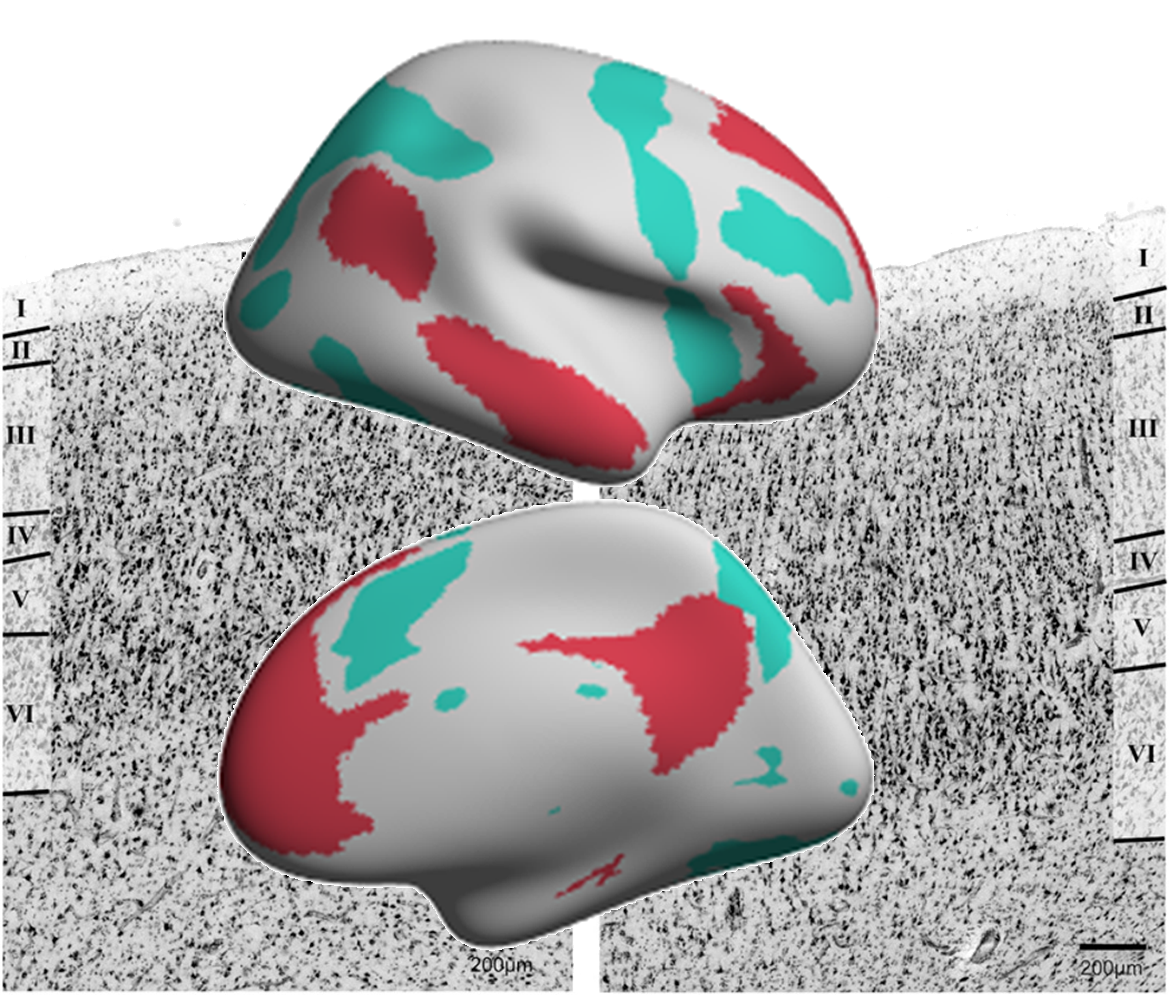
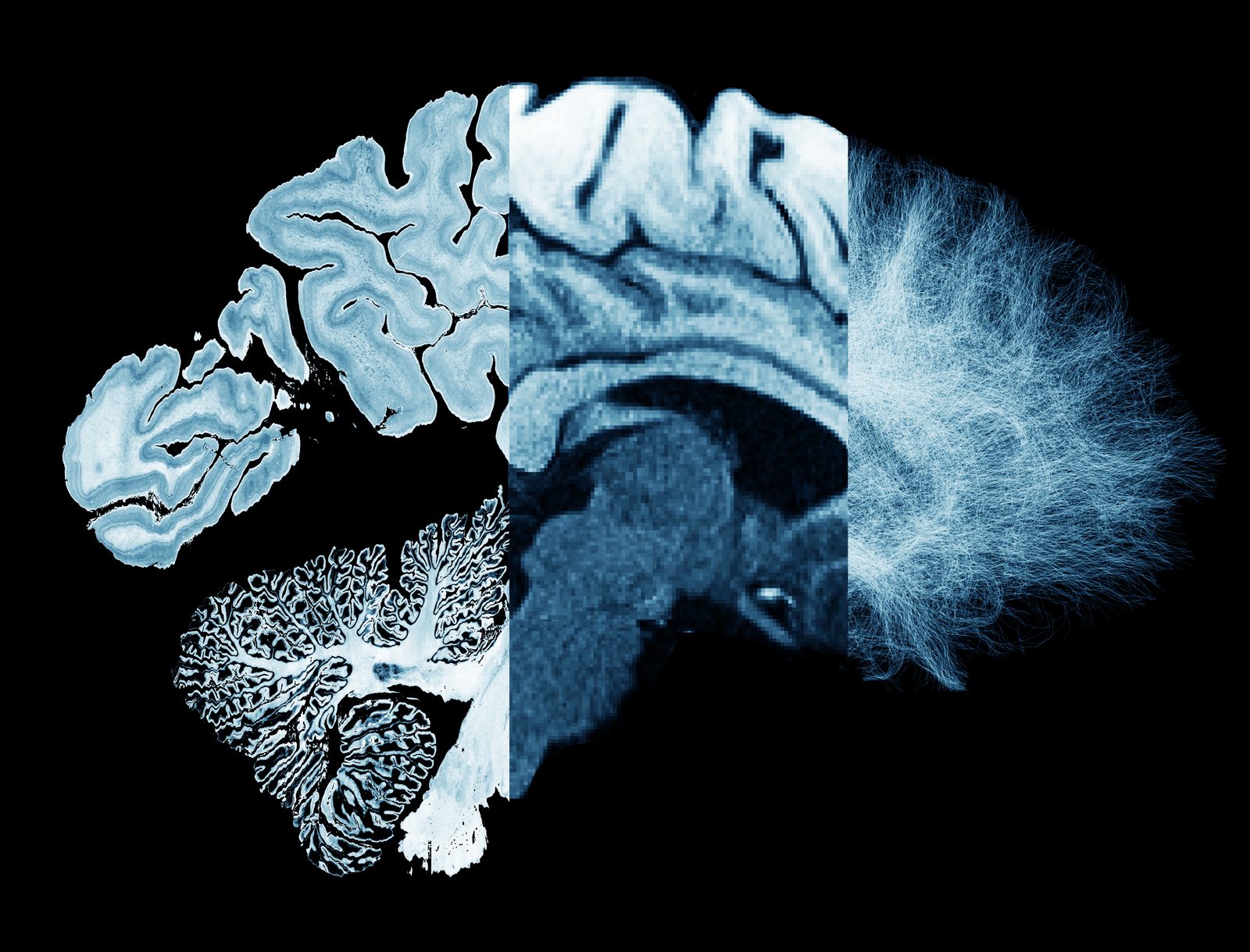
We combine post-mortem data (histology and transcriptomics) with in vivo imaging (structural and functional MRI, intracranial EEG) to construct models that span these levels of organisation. Microstructure holds a special place in this work: a lynchpin between post-mortem and in vivo datasets, and a route to identifying overarching principles of cytoarchitectural organisation, such as large-scale cortical gradients.

We believe state-of-the-art neuroanatomy should be incorporated into workflows across neuroscience, from clinical research to building artificial intelligence — and we develop open tools and atlases toward that end.
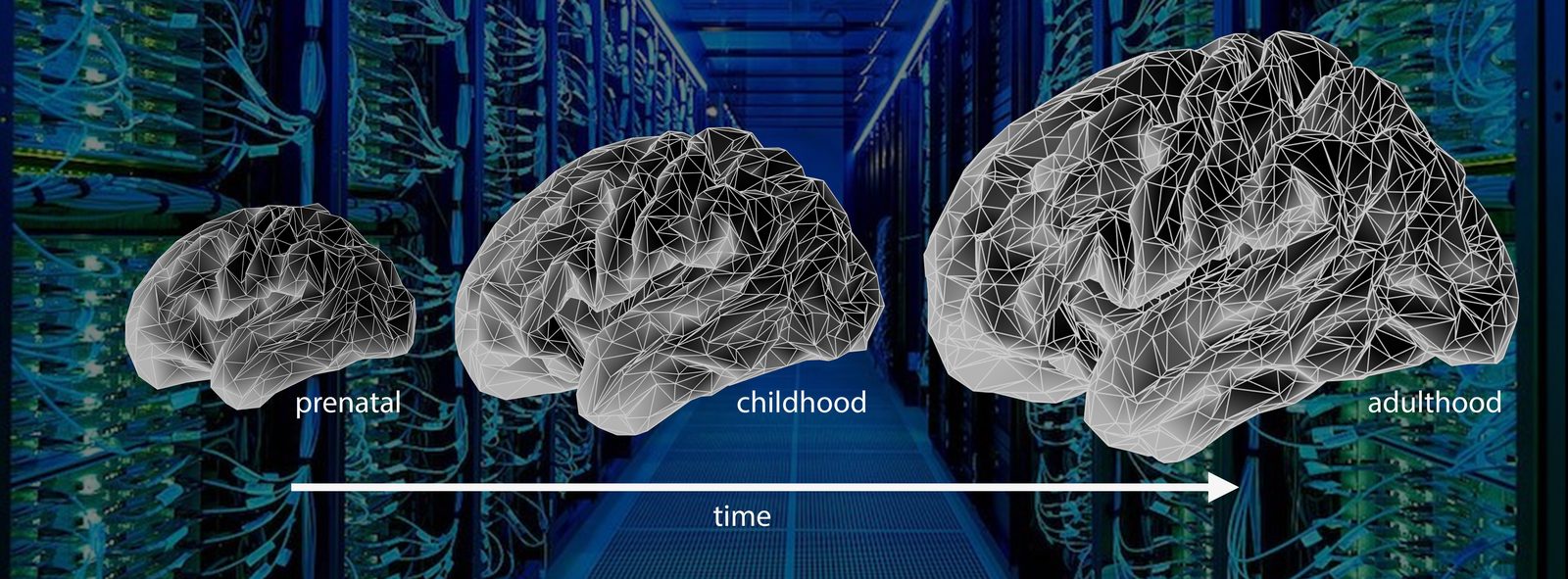
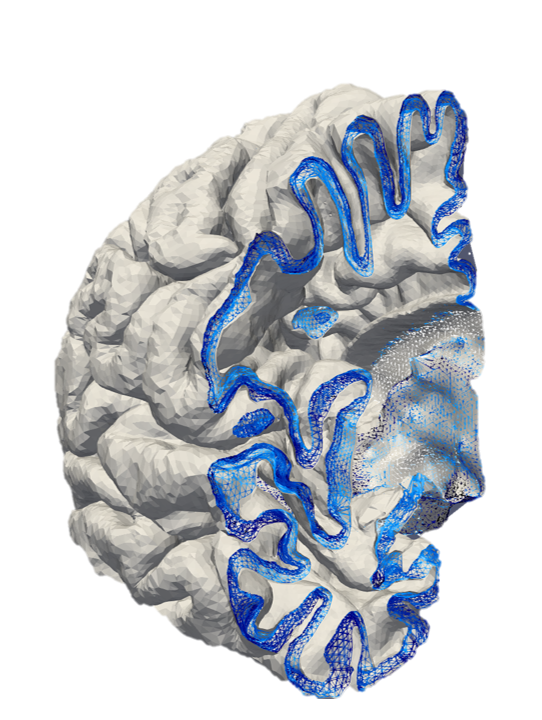
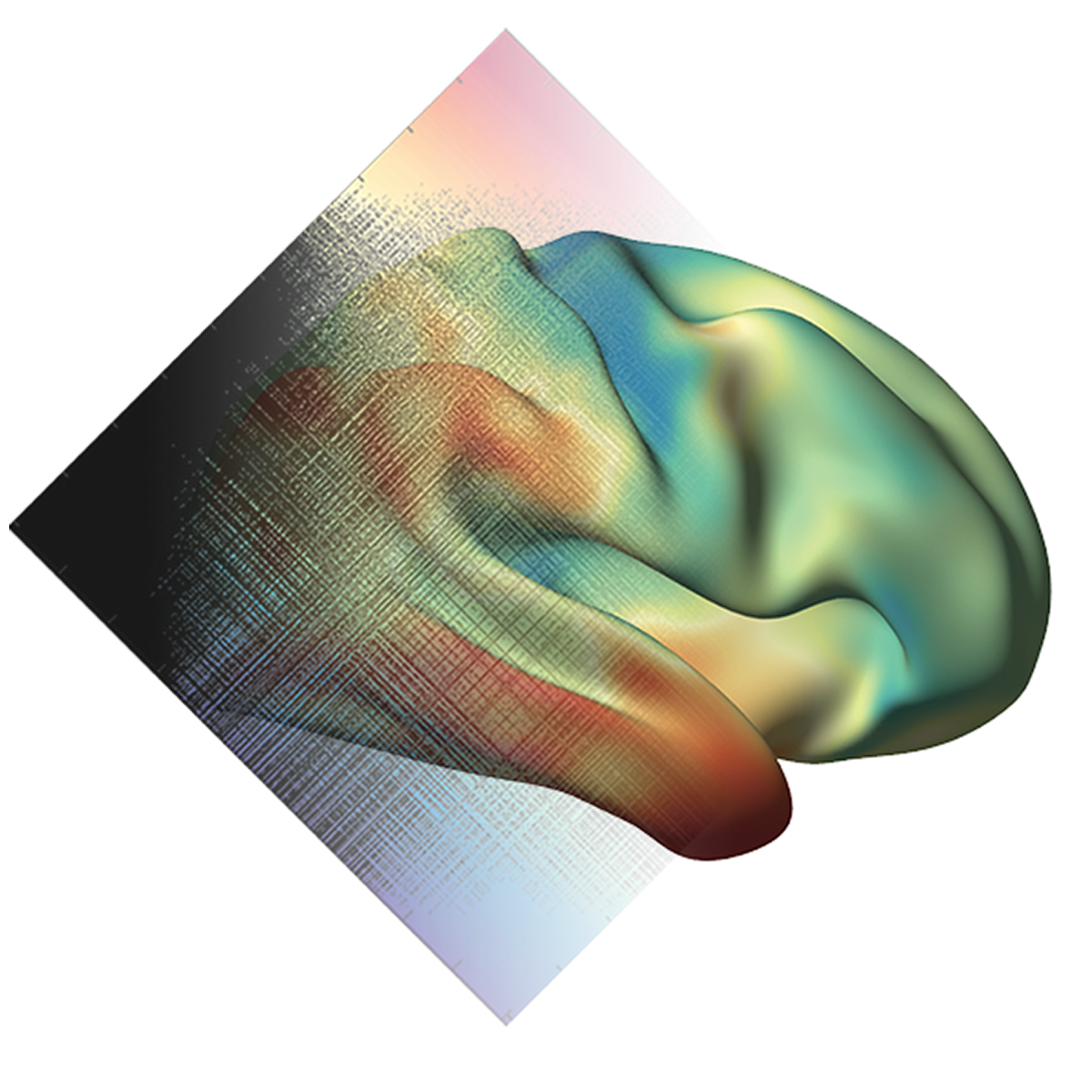
Cortical mesh reconstructions from prenatal to adulthood, illustrating developmental change over time

Publications

Selected work from the group.

Paquola et al. · Imaging Neuroscience, 2026

Intracortical microstructure profiling: a cross-modal method for indexing cortical lamination

Exploration of the validity, reliability and replicability of in vivo microstructure profiles, alongside the release of the CortPro toolbox. Read the paper →

Tsigaras et al. · PLoS Biology, 2026

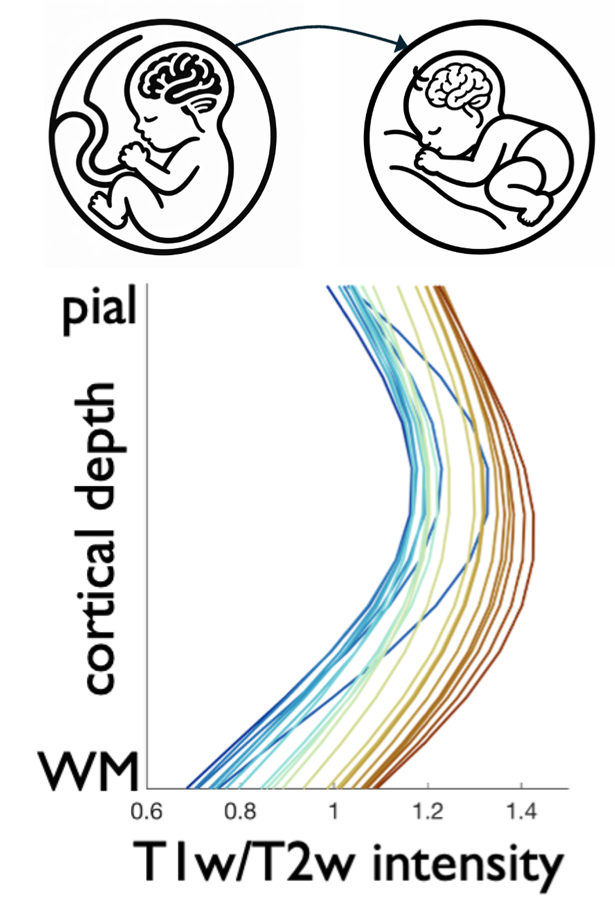
Prenatal and early postnatal periods differentially shape the maturation of human cortical microstructure and myelin

Probing perinatal cortical development using T1w/T2w profiling shows distinctive influences of gestational and postnatal durations on layer-wise maturation of myelin. Read the paper →

Paquola et al. · Nature Neuroscience, 2025

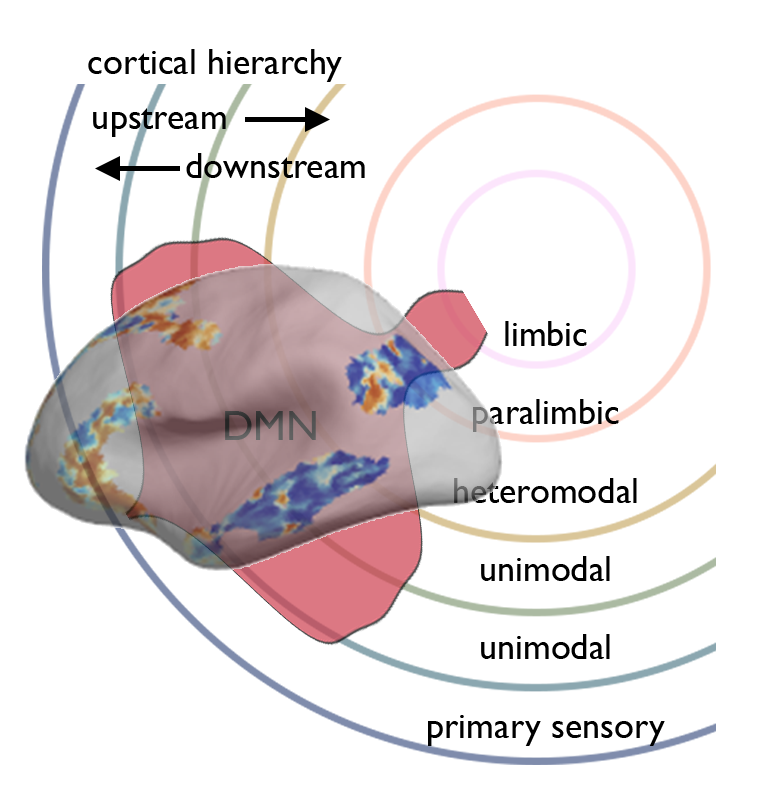
The architecture of the human default mode network explored through cytoarchitecture, wiring and signal flow

A deep-dive into the architecture of the default mode network, and how its anatomy accounts for its broad role in cognition. Read the paper →

Paquola & Hong · Biological Psychiatry, 2022

The potential of myelin-sensitive imaging: redefining spatiotemporal patterns of myeloarchitecture

A review of how recent MRI advances allow in vivo approximation of myelin content, and how to best capitalise on myelin-sensitive imaging. Read the paper →

Paquola et al. · Trends in Cognitive Sciences, 2022

Closing the mechanistic gap: the value of microarchitecture in understanding cognitive networks

A perspective on how microarchitecture can constrain network accounts of human cognition, beyond describing where functions occur. Read the paper →

Paquola et al. · eLife, 2021

The BigBrainWarp toolbox for integration of BigBrain 3D histology with multimodal neuroimaging

A review of methods for integrating the BigBrain ultra-high-resolution histological atlas with multimodal neuroimaging, and the toolbox that combines them. Read the paper →

Paquola et al. · eLife, 2020

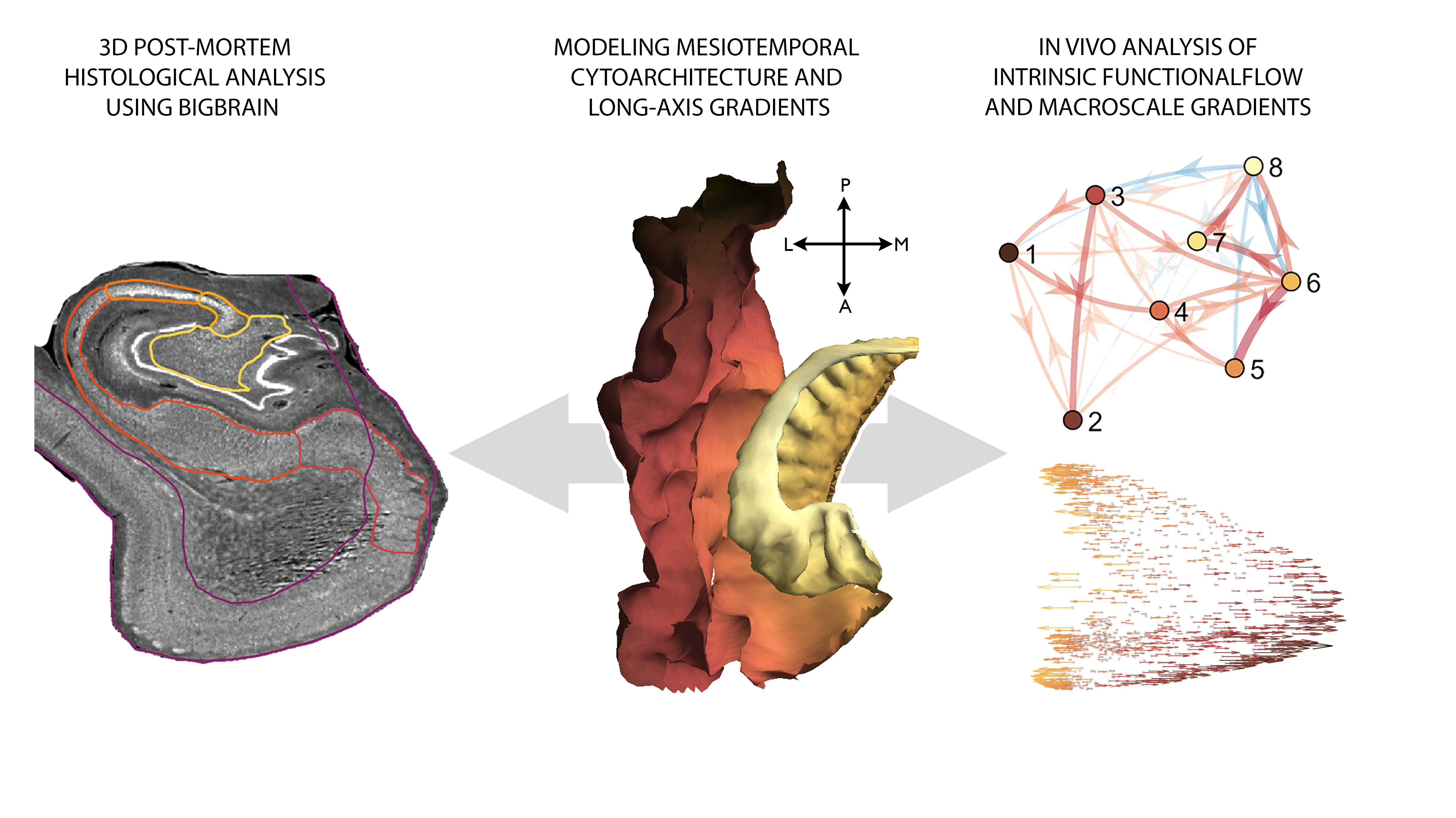
Convergence of cortical types and functional motifs in the mesiotemporal lobe

An ultra-high-resolution histological reconstruction shows the mesiotemporal lobe's dominant axis of differentiation follows the iso-to-allocortical transition. Read the paper →

Paquola et al. · PLoS Biology, 2020

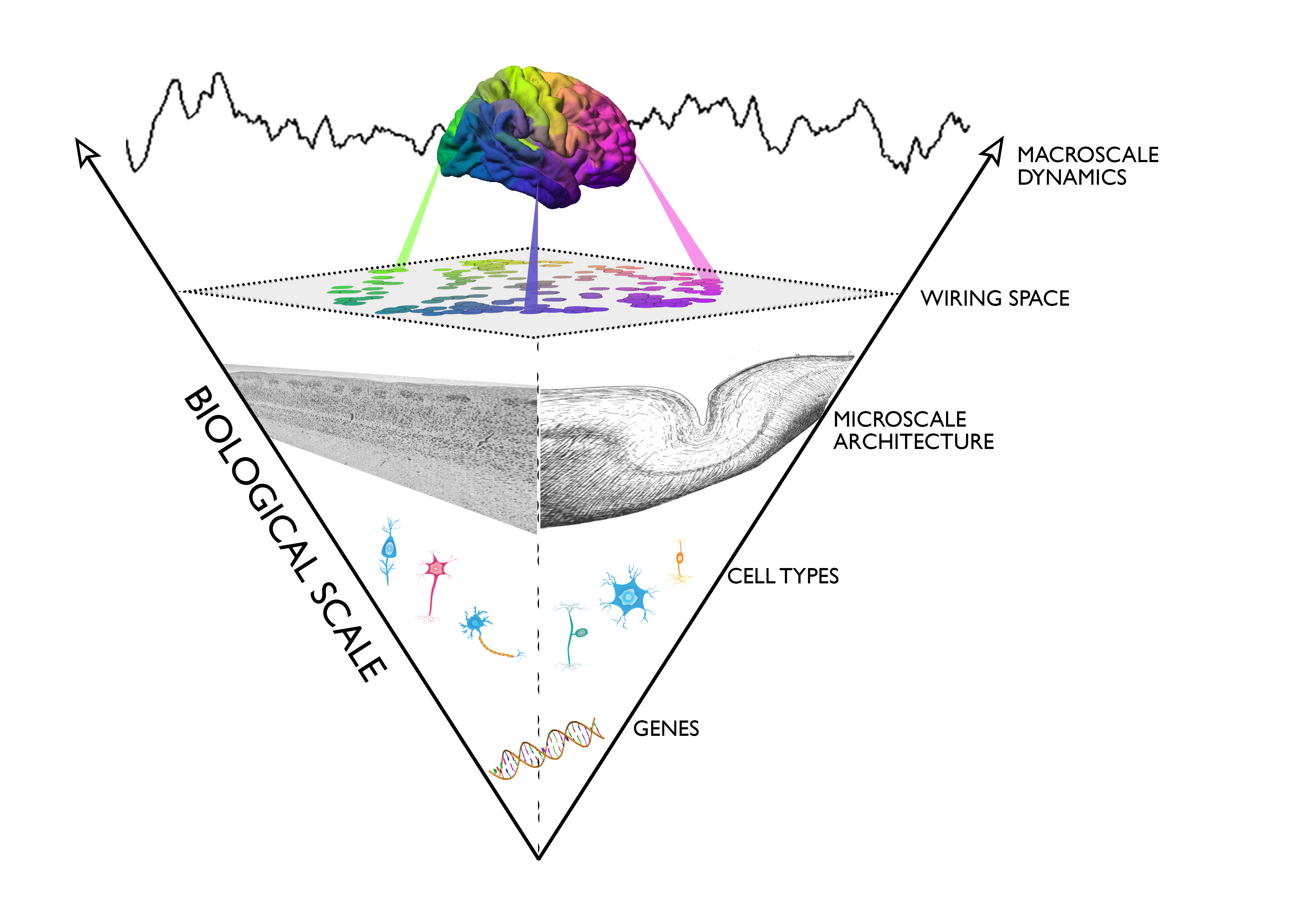
A multi-scale cortical wiring space links cellular architecture, functional dynamics and hierarchies in humans

A novel coordinate system of the human cortex built from an advanced connectivity model, linking cell-specific gradients to functional hierarchy. Read the paper →

Paquola, Bethlehem et al. · eLife, 2019

Shifts in myeloarchitecture characterise adolescent development of cortical gradients

Depth-dependent trajectories of intracortical myeloarchitecural development contribute to the maturation of structural hierarchies in the neocortex. Read the paper →

Paquola et al. · PLoS Biology, 2019

Microstructural and functional gradients are increasingly dissociated in transmodal cortices

A novel approach for modelling microstructural profile similarity reveals a system-level gradient from primary sensory to limbic regions. Read the paper →

See the full publication list on Google Scholar →

Tools

Open-source toolboxes.

CortPro logo

CortPro

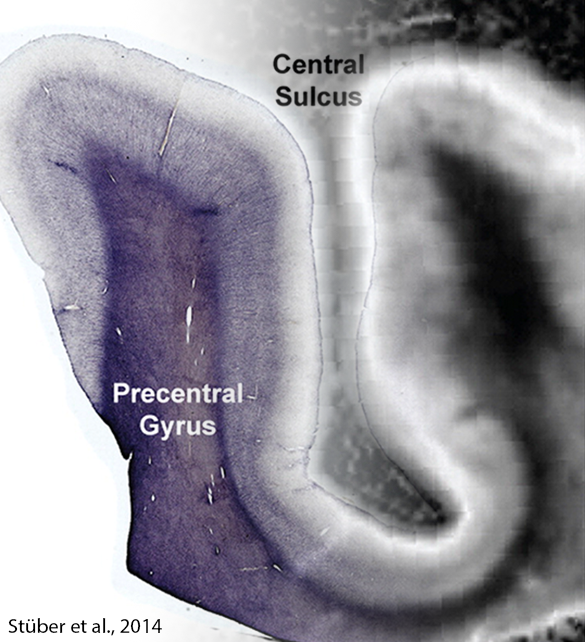
Depth-wise variations in image intensity reveal architectonic differences across the cortex. CortPro is a standardised, validated procedure for generating microstructure profiles from either post-mortem stained tissue or MRI — wrapped as a single line of code.

View on GitHub →
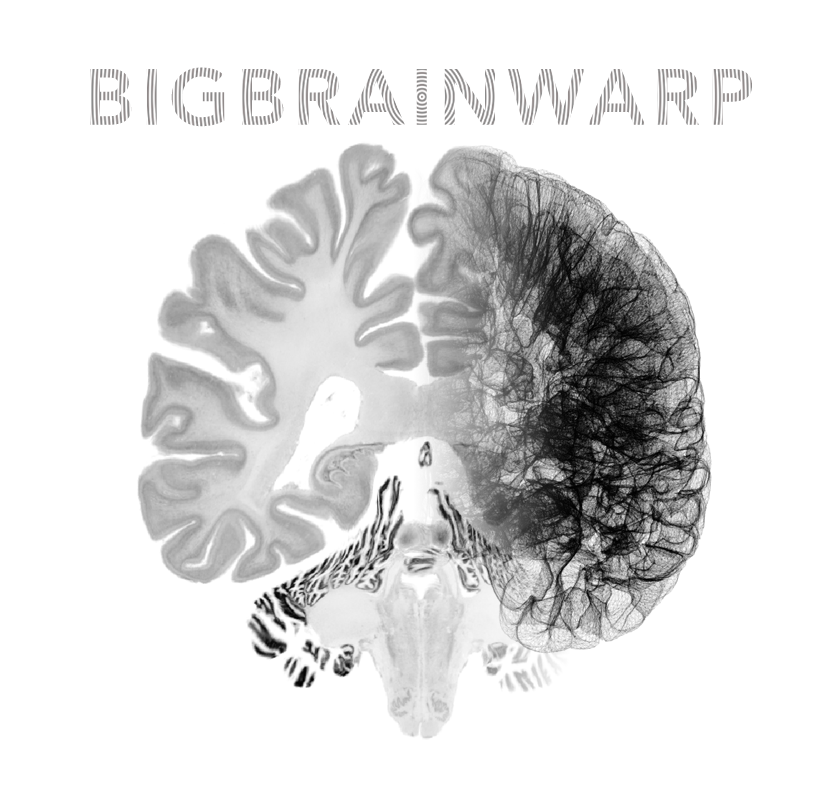
BigBrainWarp

BigBrainWarp

BigBrain offers an ultra-high-resolution (20µm) volumetric reconstruction of a sliced and stained post-mortem human brain. BigBrainWarp integrates BigBrain with neuroimaging and other modalities: histological features and pre-transformed maps, code for data transformations, and extensive tutorials.

Documentation → · GitHub →

Team

The people of MuNe.

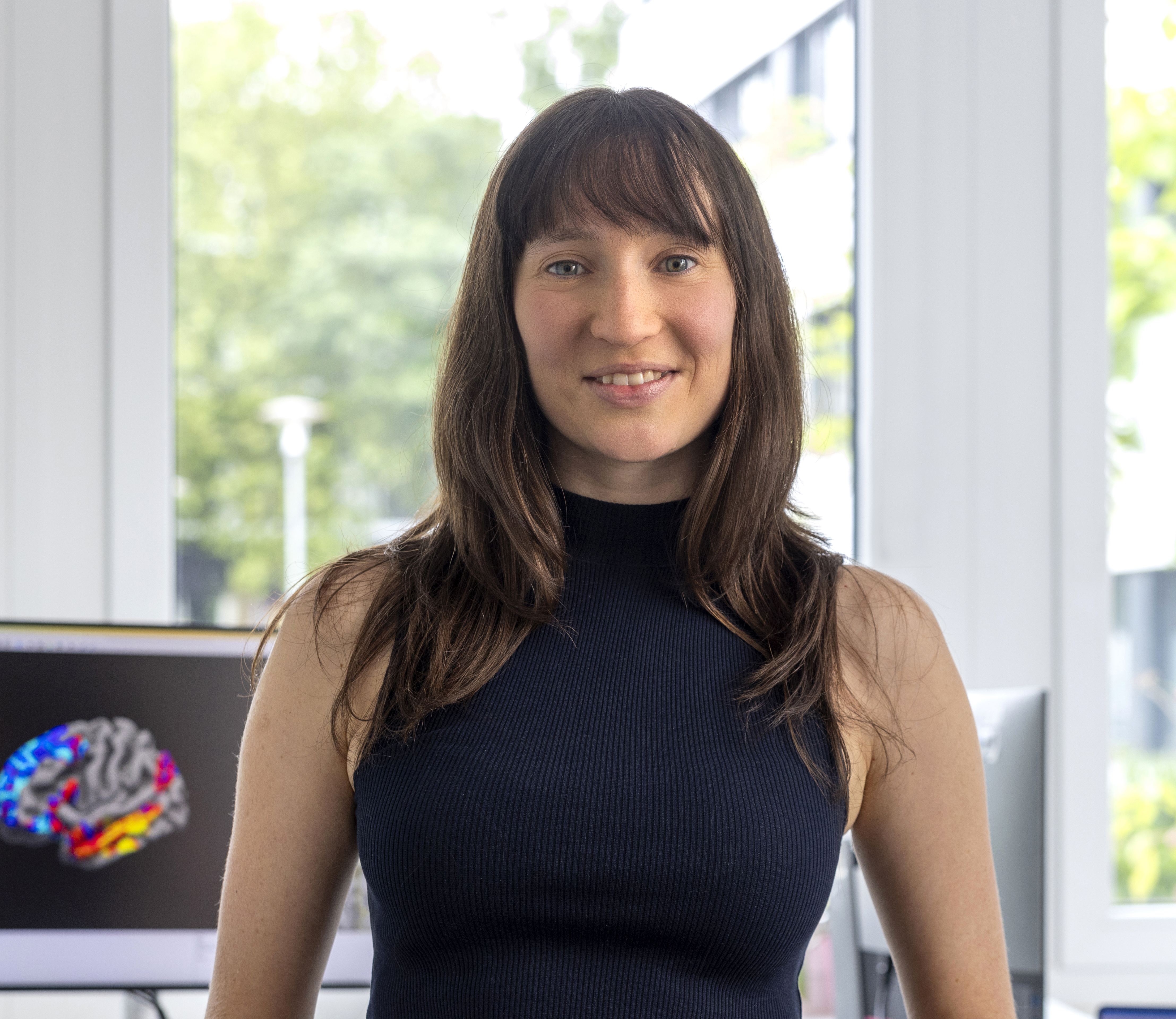
Casey Paquola

Casey Paquola

Group Leader
  • Postdoctoral fellow, Montreal Neurological Institute, McGill University, Canada
  • PhD in Medicine, The University of Sydney, Australia
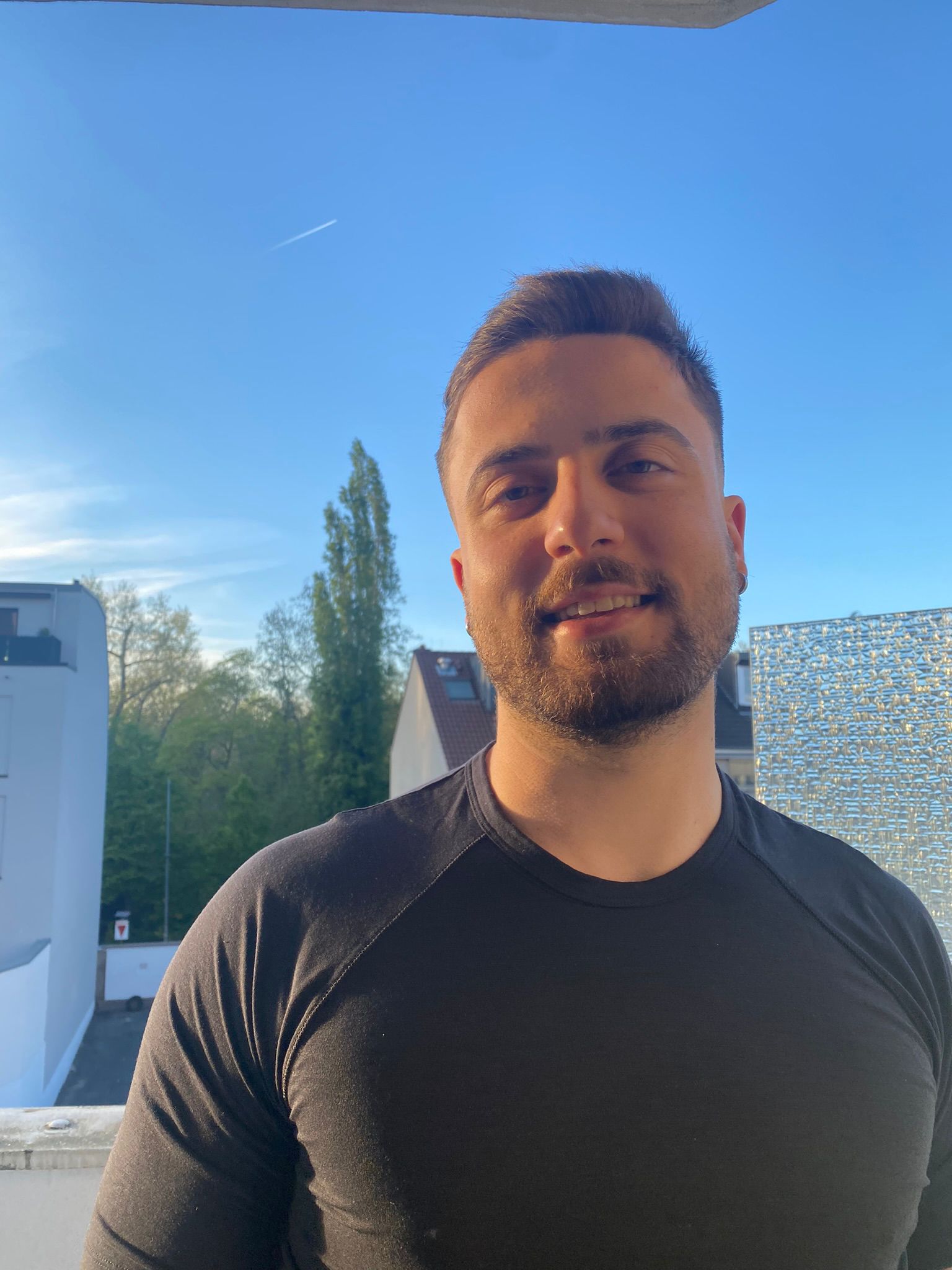
Thanos Tsigaras

Thanos Tsigaras

PhD student · started October 2022
  • Master of Science in Molecular Biomedicine, Heinrich-Heine-Universität Düsseldorf, Germany
  • Bachelor of Science in Biochemistry, Heinrich-Heine-Universität Düsseldorf, Germany
Zahra Moradimanesh

Zahra Moradimanesh

Postdoctoral researcher · started May 2025
  • PhD in Cognitive Modeling, Shahid Beheshti University, Iran
  • Master of Engineering in Artificial Intelligence, Amirkabir University of Technology, Iran

About & contact

Where we work, and how to reach us.

Institute of Neuroscience and Medicine (INM-7)

Research at INM-7 centres on the relationship between the brain and behaviour. The institute specialises in integrating multi-modal neuroimaging data and using it to develop machine learning models of complex behavioural phenotypes. The Multiscale Neurodevelopment team is closely tied to the Biomarker Development group.

Forschungszentrum Jülich

The Forschungszentrum is a leafy campus housing domain-expert scientists from across many fields, a short train ride from Aachen, Cologne and Düsseldorf.

Forschungszentrum Jülich campus
Dr Casey Paquola
Group Leader
Emmy Noether Programme logo

We are very grateful for funding from the Deutsche Forschungsgemeinschaft via the Emmy Noether Programme.